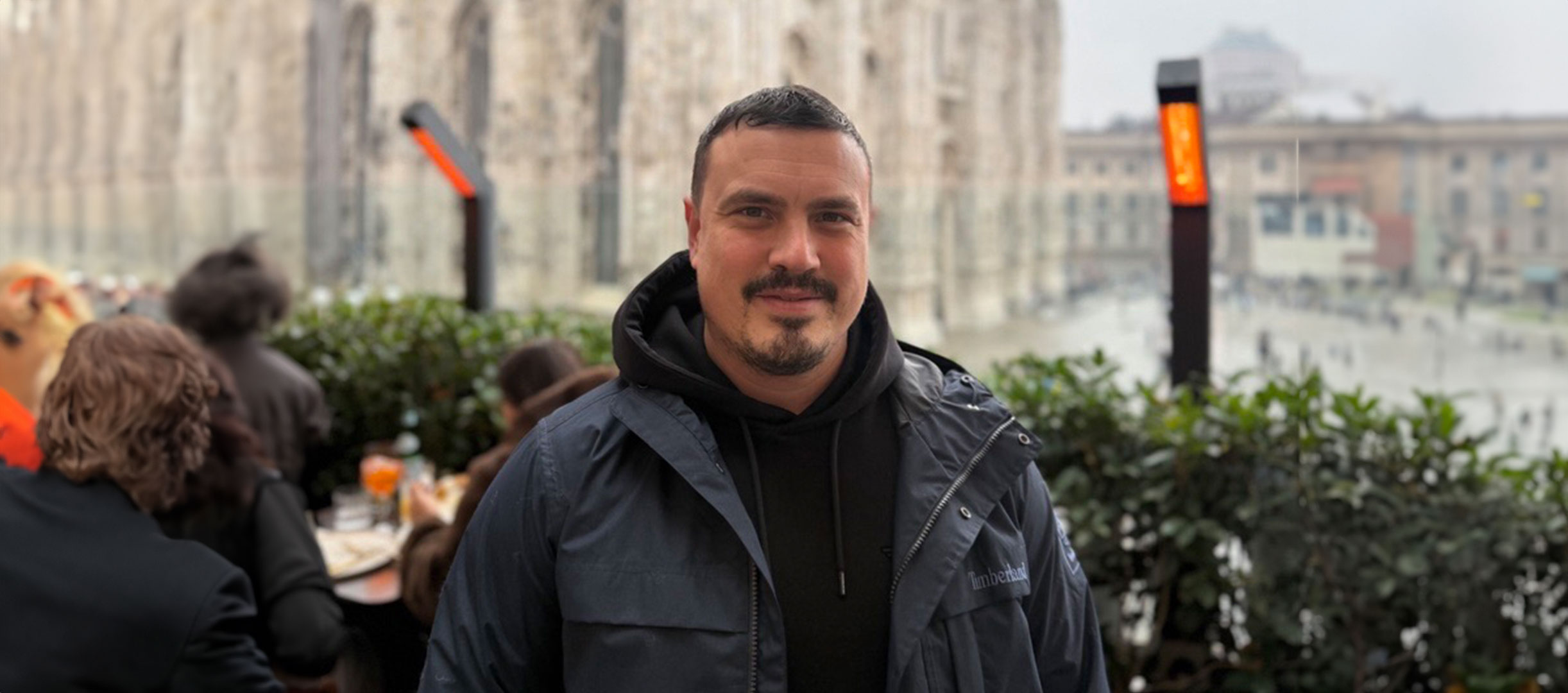
How do you move from Ops into a Support Centre role without losing credibility on site?
I started in Whitbread as a Chef at 21 before becoming a Kitchen Manager at The Dock. That Operations grounding matters here, because when you’re standing in a site today talking about safety, food standards or fire risk, people know whether you’ve lived it or not.
Moving out of Ops wasn’t about stepping away from reality. It was about taking what I’d learned on site and applying it at scale. New openings was the bridge for me – opening sites, converting brands, working shoulder-to-shoulder with teams under pressure. That’s where I learned how the business really fits together, and how decisions land at ground level.
When I eventually moved into Safety & Security, I wasn’t arriving with theory. I was arriving with context. That’s what earns trust.
________________________________________
What actually changes when you step into Safety & Security from an Ops background?
The biggest shift is breadth. In Ops, you’re deep in your lane. In Safety & Security, you need to understand everything. Food safety, fire safety, health & safety, security, audits, HR interfaces, and how they overlap.
When I joined the team, I didn’t have formal safety qualifications. What Whitbread did was invest in closing that gap properly: got my Level 4 Food Safety, qualified Fire Risk Assessor (hotels), NEBOSH, play area inspection it wasn’t box-ticking, but real capability building.
That combination of Ops instinct and formal qualification is powerful. You’re not just enforcing policy; you’re interpreting it in a way that works in the real world.
________________________________________
“There’s an industry standard and then there’s a Whitbread standard. I’d say our high standards set us apart.”
What does “doing things the right way” actually look like day to day?
It means consistency. We talk a lot about brand standards in hospitality and our Safety & Security team works the same way.
Policy is policy. Guidance is guidance. Whether you’re in Scotland or the South Midlands, the advice should land the same way. We’ve built internal frameworks so that if I’m handling an issue on site, it should look and feel the same as how a colleague elsewhere would handle it.
That matters – especially if things do go wrong. People need clarity, not opinion. And they need to know the business will stand behind the decision because it’s the right one.
________________________________________
How do you measure impact when you’re not running a site anymore?
For me, it’s visible improvement.
One example is sites that do receive poor Environmental Health scores. I’ll spend time understanding the root cause; whether it’s training gaps, resourcing, leadership behaviours or legacy bad habits. Then we work the plan properly, so coaching, follow-ups, support - not blame.
When Environmental Health come back out and that site moves to a five-star rating – that’s tangible. You can see the confidence shift in the team. You know the business is safer, more resilient, and better run than it was three months earlier. That’s the real impact I have in my role.
________________________________________
Why stay (and grow) at Whitbread long term?
I’ve been here a long time. I left briefly and came back because the role I wanted was now available and because Whitbread takes safety seriously.
A five-star food hygiene rating might be considered “excellent” externally. Internally, it’s the baseline. That tells you a lot about the culture. We don’t aim to pass; we aim to lead.
I’ve watched people grow from site roles into regional and national positions. I’ve done it myself. The opportunities are there but you do have to want them and you do have to put the work in.
If you care about standards, if you want to do things properly, and if you want a career that keeps evolving then Whitbread’s a place where that’s possible.